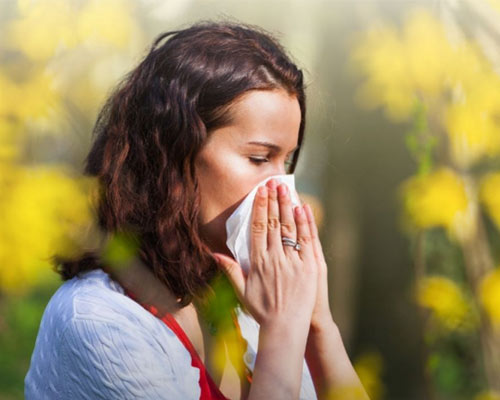
Spring allergies are allergic reactions that occur mainly in spring and are usually triggered by pollen. Tree, grass, and weed pollen enters the body through the respiratory system. When the immune system mistakes these substances for harmful agents, various symptoms can develop.
What Causes Spring Allergies?
Higher pollen levels in spring can cause the immune system to overreact in people with allergies. The immune system identifies pollen as a threat and releases histamine. Histamine can lead to symptoms such as a runny nose, sneezing, and itchy eyes.
What Are the Symptoms?
Common symptoms of spring allergies include frequent sneezing, a runny or blocked nose, watery eyes, and itchy eyes. Some people may also experience an itchy throat, coughing, or fatigue. In more severe cases, shortness of breath and asthma-like symptoms may occur.
Who Is at Risk?
People with a family history of allergies, those with asthma, and individuals with a sensitive immune system may be at higher risk. Symptoms may also be more severe for people exposed to air pollution in urban areas.
How Can You Protect Yourself?
It may help to avoid going outdoors during the morning hours when pollen levels are high, change clothes after returning home, and shower. Keeping windows closed, especially on windy days, using air filters at home, and cleaning regularly can also reduce exposure to allergens.
Treatment Options
Spring allergies may be treated with antihistamines, nasal sprays, and eye drops. For more severe cases, allergy shots may be considered under a doctor’s supervision. Consult a healthcare professional if symptoms persist or significantly affect your quality of life.
In Summary
Spring allergies are common, but they can often be managed with appropriate precautions and treatment. Taking symptoms seriously and seeking professional advice when needed can help improve quality of life.