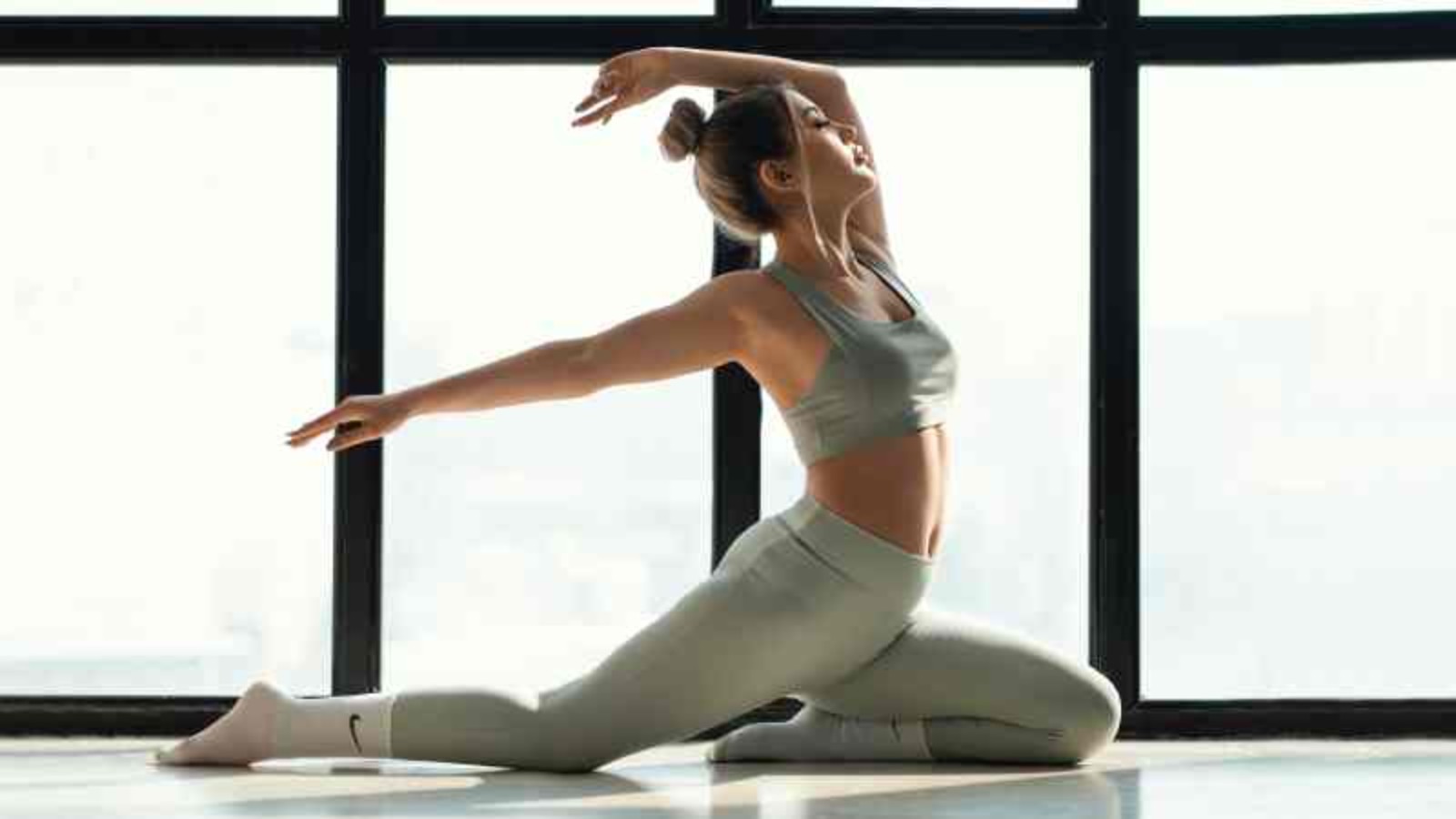
Yoga and Pilates are effective exercise options for people who want to support their physical health, improve body control and move more comfortably in everyday life. Both practices work on flexibility, balance, muscular strength and body awareness. However, they differ in their methods and the skills they emphasize.
What Is Yoga and How Can It Benefit the Body?
Yoga combines physical postures, controlled breathing and meditation. Different styles of yoga range from gentle stretching to movement sequences that require physical endurance.
Regular yoga practice may help improve flexibility and balance, support stress management and contribute to overall well-being. Some research suggests that yoga may also help with lower back pain and the management of anxiety symptoms. However, results can vary depending on the style of practice and the individual's physical condition.
Coordinating breathing with movement can help people become more aware of their bodies and perform movements with greater control.
What Is Pilates and Which Muscles Does It Target?
Pilates is an exercise method that focuses on controlled movements, proper breathing and strengthening the muscles that support the trunk. It can be practiced on a mat or with specialized equipment such as a reformer.
The abdominal muscles, back, hips and muscles around the pelvis play important roles in Pilates. Strengthening these muscles can support core stability, movement control and posture. Regular practice may also improve flexibility, coordination and muscular endurance.
Developing controlled movement habits is particularly important for people who spend much of their day sitting. However, Pilates should not be considered a complete replacement for all other forms of physical activity. Combining it with aerobic exercise and other strength-training activities can create a more balanced routine.
What Are the Differences Between Yoga and Pilates?
Yoga generally combines movement, breathing and mental focus. Pilates places greater emphasis on precise movements, core control and balanced muscular engagement. Both methods can have positive effects on strength, flexibility and balance.
The most suitable practice depends on personal goals. People who want to improve flexibility, develop breathing awareness and make time for relaxation may start with yoga. Those who want to improve core strength, movement control and posture may prefer Pilates. Practicing both is also an option.
People who want to improve their overall fitness can combine yoga and Pilates with other types of exercise to create a more comprehensive program. For more information about physical activity and general health, explore healthy living articles.
Tips for Beginners Starting Yoga or Pilates
When starting yoga or Pilates, learning the correct technique is more important than increasing intensity. Beginners should choose short sessions with basic movements suited to their current fitness level.
- Practice consistently: Build a sustainable routine instead of relying on long, exhausting sessions.
- Control your breathing: Avoid unnecessarily holding your breath during movements.
- Respect your limits: Stop any movement that causes sharp or worsening pain.
- Prioritize technique: Consider learning from a qualified instructor, especially at the beginning.
- Keep your routine balanced: Complement yoga and Pilates with walking, aerobic exercise and appropriate strength training.
For people who want to improve muscular strength, fitness and bodybuilding also have an important place in a balanced exercise program. Combining different types of training appropriately can help develop a broader range of physical abilities.
What Should You Keep in Mind When Practicing Yoga and Pilates?
When performed appropriately, yoga and Pilates are low-impact exercise options for many people. However, low-impact exercise does not mean that every movement is safe for everyone.
During pregnancy, with existing musculoskeletal problems, after recent surgery or in the presence of chronic health conditions, exercises may need to be adapted to individual needs. In these circumstances, consulting a healthcare professional before starting and informing the instructor about relevant limitations are important steps.
Trying to increase flexibility too quickly or continuing movements despite pain may increase the risk of injury. Progress should be assessed according to individual ability and movement quality.
Conclusion: Choosing the Right Practice for Better Movement
Yoga and Pilates are two complementary methods for people who want to establish a regular physical activity routine. Yoga supports flexibility, breathing awareness and mental focus, while Pilates works on core strength, movement control and posture.
The best results come from following a program that suits individual needs, practicing consistently and balancing these activities with other forms of exercise. The goal is not simply to become more flexible or stronger, but to move with greater control, balance and sustainability.