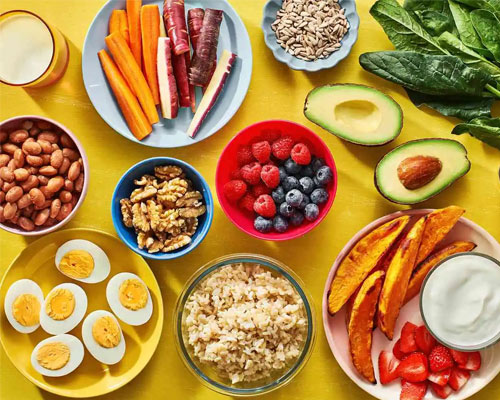
Shorter days and colder weather can affect mood. Some people feel more tired, and seasonal affective disorder (SAD) affects a smaller portion of the population. Food alone is not a treatment, but healthy routines can support overall well-being.
1. Include Probiotic Foods
The gut microbiome communicates with the brain through several pathways, often described collectively as the gut–brain axis. Research is ongoing into how gut microbes may relate to mood. Fermented foods such as yogurt with live cultures can be part of a varied diet, but they do not replace care for depression.
2. Pay Attention to Vitamin D
It can be difficult to get all the vitamin D you need from food. Sources include salmon and tuna, as well as fortified products such as some orange juices and plant-based milks. Some mushrooms contain vitamin D depending on how they were grown.
Vitamin D supplements have not been shown to treat SAD on their own. Ask a healthcare professional whether testing or supplementation is appropriate for you.
3. Choose Foods with Omega-3 Fatty Acids
Omega-3 fats are found in foods such as oily fish, flaxseed, and walnuts. Some research has examined omega-3 supplements for depressive symptoms, but results vary and supplements are not a substitute for professional care.
4. Saffron in Meals
Saffron is a costly spice that can add flavor to food. Some studies have explored compounds in saffron and mood, but more research is needed. Do not use saffron supplements as a replacement for treatment.
5. Eat Prebiotic Foods
Prebiotic fibers feed beneficial gut microbes. Foods containing prebiotic fibers include garlic, onions, bananas, asparagus, oats, leeks, apples, legumes, and flaxseed. These foods can support a balanced diet, though their direct effect on mood is still being studied.
6. Be Mindful of Alcohol
Spending more time indoors may change drinking habits. Alcohol can disrupt sleep and may affect health in other ways. Limiting alcohol can be helpful for some people, especially if it affects sleep or mood.
If low mood or loss of interest persists, seek advice from a qualified healthcare professional. Seasonal depression is treatable, and nutrition is only one part of overall care.


